
Antibodies play a major role in protecting our health. They can recognize harmful bacteria, viruses, and other threats inside the body. Because of this natural talent, antibodies are used in many medical tests and treatments. For a long time, antibodies were made using animals. This worked, but it also brought limits. There could be quality differences, and production was not always smooth or predictable.
A new method called recombinant antibody production has solved many of those problems. Recombinant antibodies are created using specially designed genetic instructions inside controlled cells. This produces antibodies that are cleaner, more consistent, and easier to customize for important medical needs.
What Makes Recombinant Antibody Production Different
Traditional antibody production depends on immune responses inside animals. The results can change from one animal to another. With recombinant antibody production, everything is planned from the start. Scientists select the exact antibody genes and create them using advanced technology. These genes are then placed into safe cell systems to grow reliable antibodies every time.
This gives several clear advantages:
Better quality control
No changes caused by live animal immune systems
Reproducible results in every batch
Faster improvements or design updates when needed
This type of accuracy is important when antibodies are used to detect diseases or guide medical treatment.
Why It Matters for Health and Safety
Recombinant antibodies are helping improve many areas of health care. The biggest benefits include:
Stronger accuracy in medical tests: Results become more dependable when every antibody works the same way.
Better safety for therapies: Cleaner and more controlled production reduces risks from unwanted immune reactions or impurities.
Less dependence on animals: This supports more ethical and modern science methods.
Speed in responding to new threats: When a new disease appears, recombinant technology allows fast design and production of antibody tools to help identify or fight it.
How Recombinant Antibody Production Supports Diagnostics
Diagnostics is the process of figuring out what is wrong inside the body. Tests like rapid infection screens, blood biomarkers, and cancer detection depend on antibodies to highlight the problem.
Recombinant antibodies provide benefits in diagnostic tools such as:
Higher sensitivity (finding even very small signals)
Better stability in storage and transport
Consistent performance on different sample types
This helps doctors detect illnesses with more confidence and at an earlier stage than ever before.
For example, cancer tests that measure protein levels in the blood can become more precise when the detecting antibodies are recombinant. Changes in protein patterns can be caught earlier, improving treatment success.
Applications Beyond the Lab
Recombinant antibody production is used widely in places such as:
Hospital diagnostic kits
Pharmaceutical development
Veterinary health testing
Food and environmental safety monitoring
Personalized medicine technologies
Designing Antibodies for New Challenges
Recombinant technology makes creative solutions possible. If a disease evolves or a new virus emerges, antibody designs can be updated quickly. Developers can:
Improve antibody binding strength
Reduce unwanted reactions
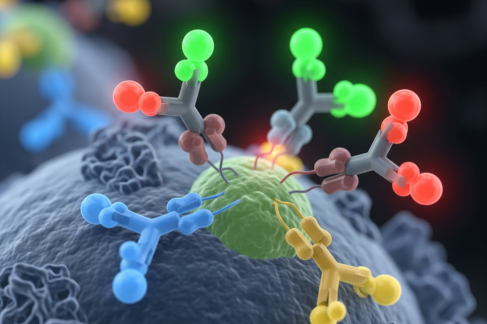
Add special detection tags
Target rare or hard-to-reach markers
Final Thoughts
Recombinant antibody production is a major upgrade in how medical tools are made. By using precise genetic design instead of unpredictable immune responses, antibodies become more accurate and dependable. This leads to better testing, earlier detection, and smarter treatments. With ongoing improvements, the future of testing and care will only become clearer and more secure.








Write a comment ...